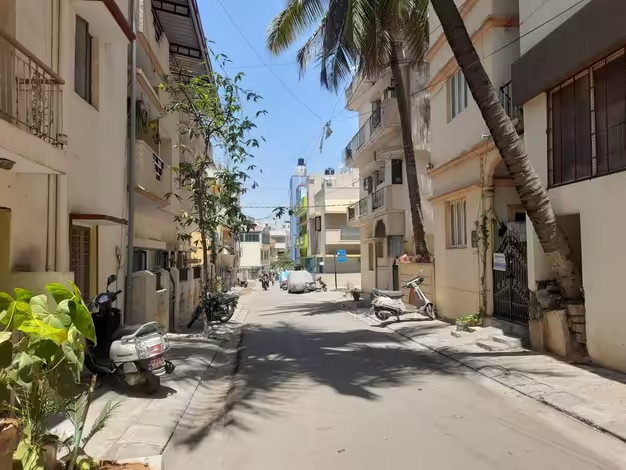
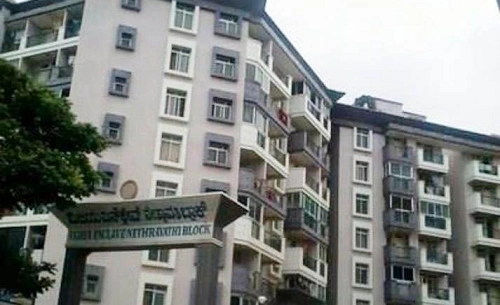
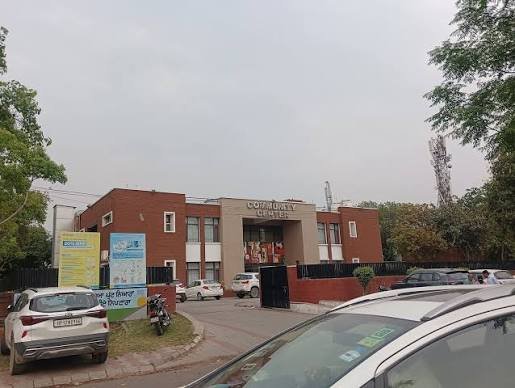
South Delhi has no shortage of posh addresses, but few carry the quiet, established weight of New Friends Colony. It’s not chasing trends the way Hauz Khas Village does, and it doesn’t have the glass-tower sheen of Gurugram. What NFC offers instead is space — wide roads, low-rise houses on generous plots, and a residential calm that’s become genuinely rare this close to central Delhi.

New Friends Colony Delhi Overview
| Detail | Information |
| Locality | New Friends Colony (NFC) |
| District | South East Delhi |
| Pin Code | 110025 |
| Blocks | A, B, C, D |
| Developed | 1970s onward, by a cooperative housing society |
| Nearest Metro | Sukhdev Vihar (Magenta Line), Jamia Millia Islamia (Magenta Line), Ashram (Pink Line) |
| Nearest Railway Station | Hazrat Nizamuddin, approx. 5 km |
| Airport Distance | IGI Airport T1: ~19 km; T3: ~22 km |
| Major Roads | Ring Road, Mathura Road, CV Raman Marg |
| Nearby Localities | Okhla, Sukhdev Vihar, Zakir Nagar, Kalindi Colony |
How the Colony Came to Be
New Friends Colony wasn’t built by a government housing board or a private developer in the way most Delhi localities were. Its story goes back to a cooperative housing society formed by businessman Ram Lal Jaggi, who purchased large tracts of land — somewhere between 800 and 1,000 acres — from villagers, many from the local Gurjar community, and parcelled it out through the society starting in the 1970s. That cooperative origin explains the colony’s structure even today: four defined blocks, A through D, each with its own character, and plot sizes generous enough that most of NFC still consists of independent houses rather than dense apartment stacks.
Geographically, it sits close to the Delhi–UP border on the city’s south-eastern edge, bounded roughly by Okhla and Sukhdev Vihar to the south, Jeewan Nagar and Kilokri to the north, and the Yamuna flowing along its eastern side.
Metro and Rail: The Real Connectivity Story
Ask a resident what makes NFC work, and metro access usually comes up first.
- Sukhdev Vihar Metro Station (Magenta Line) sits close enough for most residents to consider it their default station for daily commuting.
- Jamia Millia Islamia Metro Station, also on the Magenta Line, is within comfortable walking distance for much of the colony, particularly the pockets near Block A.
- Ashram Metro Station (Pink Line) adds a second interchange option, useful for reaching different parts of the city without backtracking.
- Hazrat Nizamuddin Railway Station, roughly 5 km away, is the nearest major rail terminus — relevant if you’re catching long-distance trains rather than commuting within Delhi.
- Okhla Railway Station is closer still for local EMU services, though it sees far fewer long-distance trains than Nizamuddin.
Having three metro stations within a short radius is unusual for a colony this size, and it’s a big part of why NFC has held its value even as newer, flashier developments have opened up elsewhere in South Delhi.
Roads That Keep the Colony Linked
Beyond the metro, NFC benefits from sitting on some of Delhi’s busiest arterial corridors:
- Ring Road connects the colony to nearly every major part of the city without needing to cut through congested inner lanes
- Mathura Road links NFC southward toward Faridabad and onward routes
- Delhi–Noida Direct Flyway (DND) puts Noida within easy reach for the growing number of residents who commute there for work
- CV Raman Marg and Gurudwara Road handle internal movement within the colony itself
The trade-off, and residents are fairly upfront about this, is that these same arterial roads bring frequent traffic jams and noticeably higher pollution levels during peak hours — a common complaint in an otherwise well-regarded locality.
The Neighbours: What Surrounds NFC
New Friends Colony doesn’t sit in isolation — its surrounding localities shape daily life almost as much as the colony itself does.
- Okhla — immediately adjacent, home to Jamia Millia Islamia University and a mix of residential and industrial zones
- Sukhdev Vihar — bordering NFC to the south, sharing metro access and a similar residential character
- Zakir Nagar — nearby, known for its dense residential fabric and local markets
- Kalindi Colony — a quieter neighbouring pocket along the Yamuna side
- Jogabai Extension — another adjoining locality often referenced in property listings for the area
This cluster of localities means daily essentials, hospitals, and educational institutions are rarely more than a short drive away, even when they technically sit outside NFC’s own boundaries.
Everyday Life in the Colony
NFC’s internal character leans residential-first, but it isn’t short on commercial convenience. The colony has its own community markets scattered through the blocks, alongside boutique cafés and restaurants that have turned parts of it into a quiet dining destination in recent years — think small artisan coffee spots and continental or fusion menus rather than the dense commercial chaos typical of older Delhi markets. Holy Family Hospital sits within easy reach for healthcare needs, and the presence of Jamia Millia Islamia nearby adds an academic dimension most purely residential colonies don’t have.
FAQs
Q1. Which metro station should I actually use if I live in New Friends Colony — there seem to be multiple options listed everywhere?
It genuinely depends on which block you’re in and which metro line suits your route. Sukhdev Vihar tends to be the most commonly used for daily commuting, while Jamia Millia Islamia works better if you’re closer to Block A. Ashram is a useful backup, particularly for Pink Line connections.
Q2. Is New Friends Colony too far from the airport for someone who travels frequently?
It’s not the closest South Delhi locality to IGI Airport, sitting around 19–22 km away depending on the terminal, but the Ring Road and DND access make the drive fairly predictable outside peak traffic hours.
Q3. Are traffic and pollution genuinely a problem here, or is that overstated?
It’s a real trade-off residents mention consistently. Being on major arterial roads like Ring Road and Mathura Road means excellent connectivity, but also more traffic and air quality issues than you’d find in a quieter, more interior colony.
Q4. Is New Friends Colony mainly independent houses, or are there apartments too?
Primarily independent houses and low-rise residential apartments, a legacy of its cooperative housing origins with generously sized original plots. Apartment options exist but are less dominant here than in many other South Delhi localities.