Mumbai isn’t a city known for green space. So when a 3,000-plus acre stretch of forest, dairy farms, and tribal hamlets exists within the Mumbai Suburban district, it tends to stand out — and stir debate. Aarey Colony, in Goregaon East, is exactly that: part residential locality, part protected ecological zone, and increasingly, part of the city’s expanding metro network. If you’re trying to understand this address — whether as a homebuyer, a nature-seeker, or someone just curious why it keeps appearing in the news — here’s the full picture.
Quick Overview of Aarey Colony Mumbai
|
Detail |
Information |
|
Locality |
Aarey Colony (Aarey Milk Colony) |
|
City |
Mumbai, Maharashtra |
|
Suburb |
Goregaon East, Mumbai Suburban District |
|
Pin Code |
400065 |
|
Area |
Approx. 16 sq. km |
|
Established |
1949, as a government dairy project |
|
Nearby Areas |
Goregaon, Powai, Jogeshwari, Malad |
|
Metro Access |
Aarey (Line 7), Aarey JVLR (Aqua Line 3) |
|
Nearest Rail Stations |
Goregaon and Jogeshwari, both around 5–7 km away |
Not Your Typical Mumbai Locality
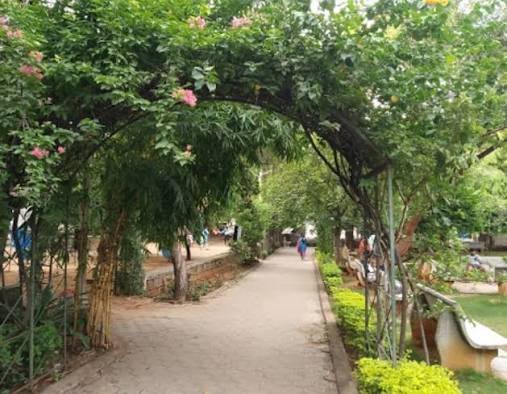
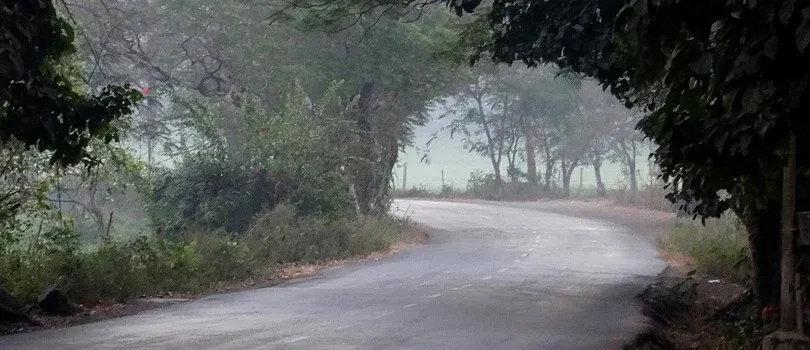
Aarey Colony sits within the Sanjay Gandhi National Park ecosystem, and that context shapes everything about it. Roughly a quarter of the area is classified as mixed moist deciduous forest, and the colony itself spans twelve smaller villages and hamlets — including the land now occupied by Film City. It was founded in 1949 to secure Mumbai’s milk supply, and while dairy farming still continues here, the area has become far more than that over the decades.
What makes it unusual for a Mumbai address:
- Genuine forest cover, not landscaped parks — home to leopards, deer, and dozens of butterfly species
- Warli tribal hamlets that predate much of the surrounding city’s development
- A visible presence of film and TV production, thanks to Film City’s location within the colony
- Ongoing public attention around conservation, following the construction of a metro car shed here that drew significant tree-felling debate in recent years
For residents, this translates into something genuinely rare in Mumbai: cleaner air, visible greenery, and a slower pace, even while the city closes in from every side.
Reaching Aarey Colony
Connectivity here has improved sharply in the last few years, mostly thanks to metro expansion:
- Metro access: The Aarey metro station on Line 7 opened in April 2022, while Aarey JVLR on the Aqua Line 3 followed in October 2024 — giving the colony two separate metro links within a short span.
- Local trains: Goregaon and Jogeshwari stations on the Western Line are the nearest, both roughly 5 to 7 km from most points within the colony, so a short auto or cab ride is usually needed to close the gap.
- Road access: The colony runs along the Western Express Highway, connecting it efficiently to both the western and eastern suburbs.
- Within the colony: Given its size, getting around Aarey itself often means autos, cabs, or ride-hailing apps like Ola and Uber rather than walking — distances between points inside the colony can be deceptively large.
Neighbourhoods and Localities Nearby
Aarey Colony borders some of Mumbai’s more prominent suburbs, and proximity to them plays a big role in property decisions here:
- Goregaon — the nearest major suburb, offering malls, offices, and established residential complexes
- Powai — a premium address known for Powai Lake and its IT and business parks
- Jogeshwari — a busy, well-connected locality with strong rail and metro access
- Malad — a large residential and commercial suburb with major shopping destinations
Smaller pockets closer to Aarey itself — such as Adarsh Nagar, Royal Palms, Poonam Nagar, and the BMC Workers Colony — are also frequently referenced by residents and property listings in the area.
Daily Life Around the Colony
Despite its semi-rural character, Aarey Colony isn’t cut off from urban conveniences:
- Schools in the vicinity include Harnai and Gurukul Vidyalaya, Shri Radha Krishna Vidya Mandir, and Oberoi International School
- Healthcare needs are covered by facilities such as Aarey Hospital and several smaller clinics and dispensaries
- Shopping and everyday retail are available through nearby options like The Hub Mall and Gagan Shopping Arcade in Goregaon
- Popular local spots such as Chhota Kashmir, with its lake and picnic areas, add a recreational dimension few other Mumbai localities offer
FAQs
Q: Is Aarey Colony a good place to actually live, or is it mainly known for its forests?
Ans: Both, depending on which pocket you’re looking at. Areas closer to Goregaon East and the metro corridor function as regular residential neighbourhoods with schools and hospitals nearby, while deeper sections remain genuinely forested and rural in character.
Q: How has the metro changed connectivity to Aarey Colony?
Ans: Significantly. Before 2022, residents relied almost entirely on autos from Goregaon or Jogeshwari stations. With both the Aarey and Aarey JVLR metro stations now operational, commuting to central and western Mumbai has become considerably faster.
Q: Why does Aarey Colony keep coming up in the news?
Ans: Largely due to the metro car shed built within the colony, which triggered public debate over tree felling and conservation. It’s worth knowing this context if you’re researching the area, since environmental protection remains an active and evolving issue here.
Q: Is Aarey Colony far from Mumbai’s main railway lines?
Ans: Not extremely, but it isn’t right on top of a station either. Goregaon and Jogeshwari stations are both 5 to 7 km away, so most residents combine local trains with a short auto or metro connection rather than walking directly to a station.