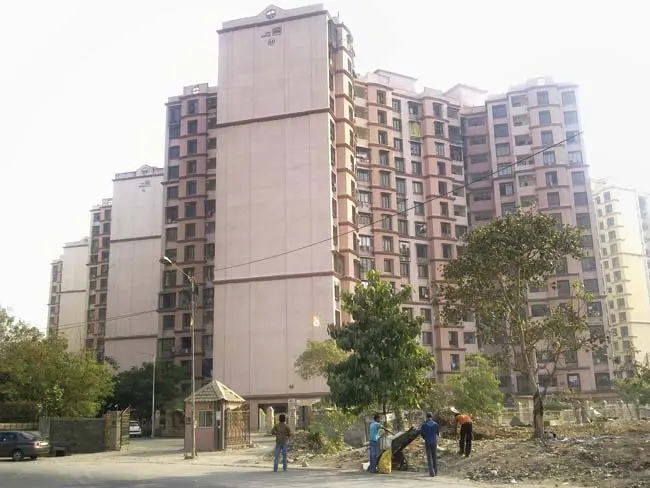
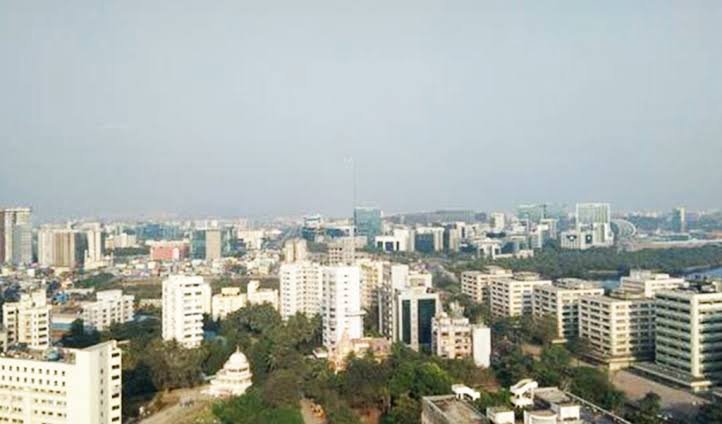
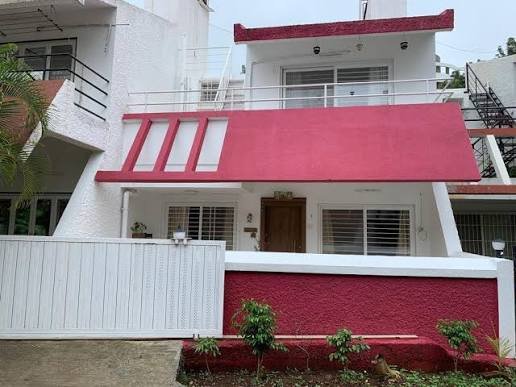
Jhilmil Colony Delhi sits in the northeastern stretch of the capital, right where residential East Delhi meets one of the city’s busiest industrial belts. It’s a locality that doesn’t try to be anything other than what it is — dense, practical, and genuinely well-connected, with a metro station close enough for most residents to walk to and enough parks scattered through its blocks that the crowding rarely feels suffocating.
Quick Facts
| Detail | Information |
| Locality | Jhilmil Colony |
| District | East / North East Delhi |
| Pin Code | 110095 |
| Nearest Metro | Jhilmil (Red Line), Mansarovar Park |
| Nearest Railway Stations | Vivek Vihar, Shahdara Junction |
| Key Roads | Grand Trunk (GT) Road, Jagannath Mandir Marg |
| Nearby Localities | Dilshad Garden, Vivek Vihar, Surajmal Vihar, Ram Vihar |
| Resident-Rated Connectivity | 4.4/5 |
| Resident-Rated Safety | 3.8/5 |
A Colony Built Around Industry and Housing Together
Jhilmil Colony’s defining feature is right there in its layout — it functions as both a residential neighbourhood and an active industrial hub, sitting adjacent to the Jhilmil Industrial Area on GT Road. That proximity has shaped the locality in practical ways: plenty of local employment within walking distance, a steady rental market driven by working tenants, and a commercial energy that residential-only colonies nearby simply don’t have. The trade-off, unsurprisingly, is a bit more pollution and noise than you’d find in a purely residential pocket, something several long-term residents mention candidly in reviews.
The colony itself is organised into blocks and pockets — Block B, Govind Khand, Pratap Khand among them — each functioning almost like its own micro-neighbourhood with its own park, market stretch, and metro access point.
Metro, Rail, and Road: Getting Around
Connectivity is consistently the strongest praise this locality receives, and residents back it with specifics rather than vague approval.
- Metro access: Jhilmil Metro Station on the Red Line sits within a 700-metre walk for many residents, with Mansarovar Park station offering a second nearby option — some residents count as many as five metro stations within reasonable reach across the wider colony.
- Railway stations: Vivek Vihar Railway Station is roughly 1 km away, while Shahdara Junction offers a second, slightly larger station for regional rail connections.
- Road network: GT Road runs directly through the area, linking the colony efficiently to Dilshad Garden, Shahdara, and onward through East Delhi.
- Local transport: Autos, cabs, and app-based delivery services all operate smoothly here, with residents specifically noting how easy it is to get food delivery or a quick auto during peak hours.
- The trade-off: Frequent traffic jams build up near red lights on the main roads, and parking gets genuinely tight during busy hours, despite the otherwise strong transit access.
What Surrounds the Colony
Jhilmil Colony sits within a cluster of established East Delhi neighbourhoods, each adding something to daily life here:
- Dilshad Garden — bordering the colony, with its own metro station and residential density
- Vivek Vihar — a short distance away, generally commanding higher property prices than Jhilmil itself
- Surajmal Vihar — nearby, adding to the wider residential belt
- Ram Vihar — another close neighbour frequently mentioned in property comparisons
- Shahdara — East Delhi’s largest market area, along with the Yamuna Sports Complex, both within easy reach
Everyday Life: Schools, Shopping, and Health
- Kendriya Vidyalaya and other reputed schools operate within a 5 km radius, covering most family education needs
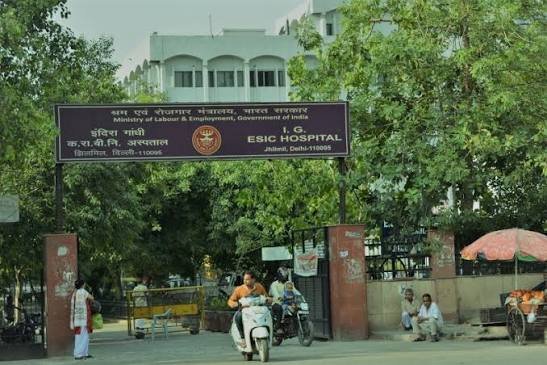
- IG ESI Hospital, Tirath Ram Hospital, and DH SDN Hospital serve the immediate area for healthcare
- Cross River Mall stands out as the go-to shopping and entertainment destination, with branded stores, food outlets, and a multiplex
- Every block reportedly has its own park, giving the colony a genuinely high density of green space compared to similarly built-up East Delhi localities
- GDA Market, DDA Market, and BIG Pacific round out the shopping and daily-essentials options nearby
A Fair Look at the Downsides
- Pollution remains a real concern, driven largely by the adjoining industrial area — a common trade-off in this part of Delhi
- Summers are described as particularly harsh, with limited natural shade in the more built-up stretches
- Employment opportunities within the immediate locality lean industrial; residents working in corporate roles often commute out to Okhla, Noida, or Gurugram, since major companies aren’t concentrated here
FAQs
Q1. Is Jhilmil Colony a good choice for someone who wants strong metro access without paying Vivek Vihar-level rents?
Yes, this is essentially the locality’s core appeal. Residents consistently mention choosing Jhilmil specifically for its metro proximity and lower price point compared to neighbouring Vivek Vihar, while still getting comparable day-to-day convenience.
Q2. How much of a problem is pollution here, realistically, given the nearby industrial area?
It’s a genuine and frequently mentioned concern, tied directly to the Jhilmil Industrial Area’s proximity. If air quality is a priority for you or your family, it’s worth visiting during different times of day before finalising a decision, since experiences do vary by specific block.
Q3. Are there good job opportunities within Jhilmil Colony itself, or should I expect to commute?
Local employment is strong for industrial and small business roles, given the adjoining industrial area. For corporate jobs, though, most residents commute to hubs like Okhla, Noida, or Gurugram, since larger companies aren’t concentrated within the colony itself.
Q4. Which specific block within Jhilmil Colony has the best metro access?
Block B is frequently highlighted for its proximity to Jhilmil Metro Station, sitting roughly 700 metres away. Since the colony spans multiple blocks and pockets, it’s worth checking the exact distance from your shortlisted property to the nearest station rather than assuming uniform access across the whole locality.